Summer storage can lead to pest problems later in the school year. Try storing items inside plastic storage containers for easy use and cleanup.
Life Cycle of Aedes aegypti and Ae. albopictus Mosquitoes (image from CDC)
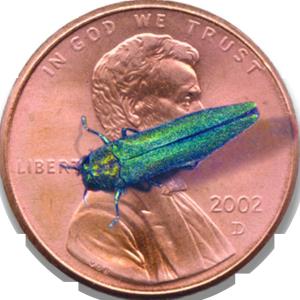
Emerald ash borer adult on a penny for scale. Image: Harold Russell, Michigan State University
Scorpions fluorescence under a black light flashlight
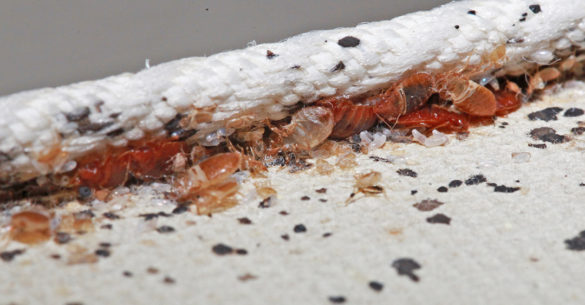
Bed bugs produce an allergenic chemical called histamine to help them aggregate in sites like this mattress welt. Researchers worry that histamine may be adding another environmental allergen to our homes, like dust mites and cockroaches.
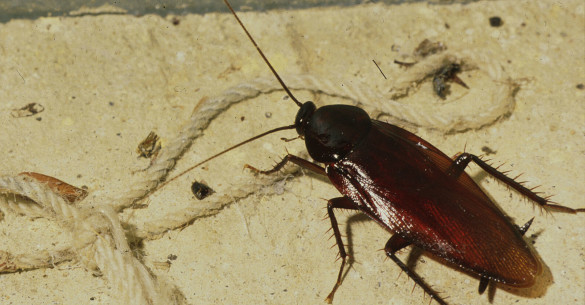
smokybrown cockroach (Periplaneta fuliginosa) Male on left; female on right.
Come visit the AggieTurf website for more information.
Smoky brown cockroaches live primarily outdoors. They prefer warm,humid areas that don't have a lot of air movement.
Wild (feral) honey bee (apis mellifera) colony in a tree.
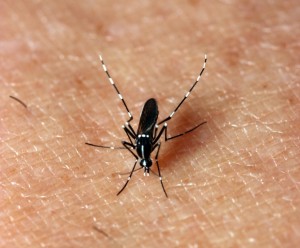
The Aedes albopictus or Asian tiger mosquito (shown here) is one of the two mosquito species known to commonly transmit chikungunya. The other is Aedes aegypti. Both species are found in Texas. (Texas A&M AgriLife Extension Service photo by Mike Merchant
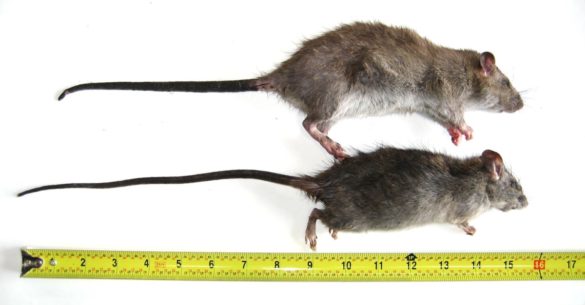
Top: Norway Rat Bottom: Roof Rat Thanks to Ed Freytag for sharing this well captured image.
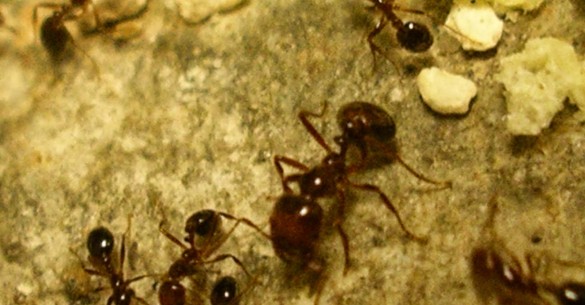
Fire ants are polymorphic and can be controlled using baits labeled for fire ants.
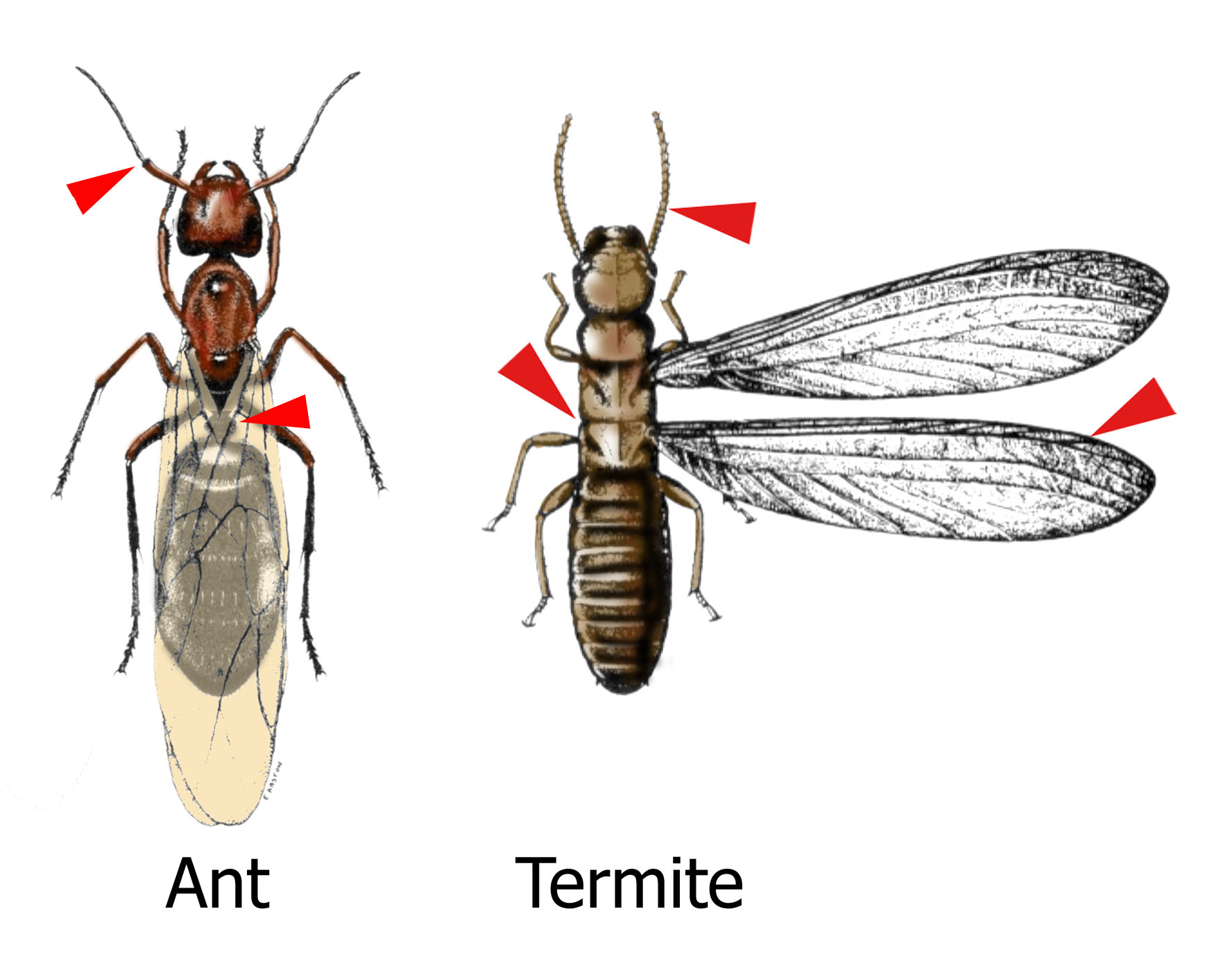
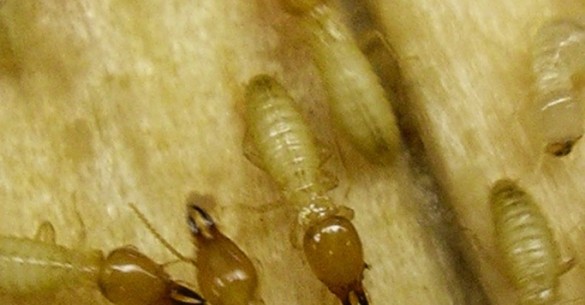
Formosan subterranean termite soldiers
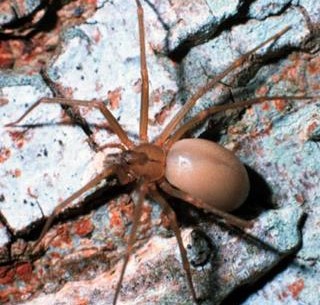
Brown recluse Spider Image by John Jackman
Argentine ant (Linepithema humile) Feeding on fipronil gel bait
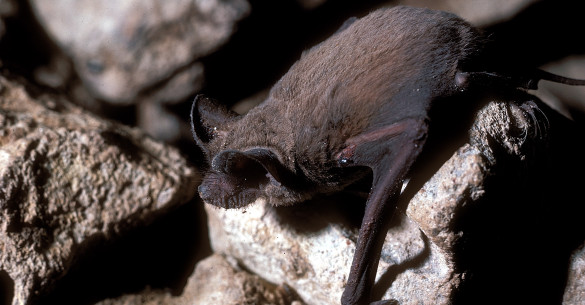
Mexican Free-tailed bat (Tadarida brasiliensis)
IPM Process
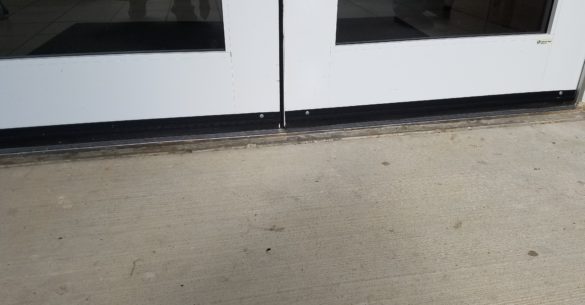
This is what the sweeps look like when they are installed on an exterior door.
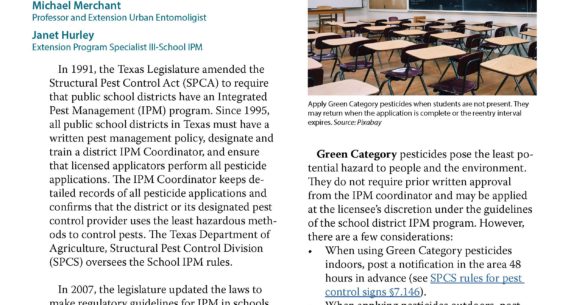
Recognizing Green Category Pesticides for Texas School IPM
Adult head louse
Live workers feeding on sugar bait
Kids deserve a safe place to learn and grow. Today’s children spend a significant part of their lives in school. Pest management is an important, but often overlooked, part of school safety.
Pests can cause stings and bites, and can trigger allergies. In addition, some pests pose health threats by spreading germs and filth. Unmanaged pest problems can result in damage to school property, unsightly landscapes and other unsafe conditions.
Integrated Pest Management, or IPM, is a strategy of managing pests using multiple control tactics that provide the best control with the least cost and environmental impact. IPM is based on thorough knowledge of the pests and the technologies used to control them, and can be performed by anyone with proper training. A good IPM program attempts to make schools less hospitable to pests by modifying the environment, like improving sanitation, and eliminating pest harborage sites, along with using the lowest impact pesticides as necessary. Managing risks from pests and risks from the pesticides used to control them are top priorities under an IPM program.
OUR MISSION:
“To provide the best professional integrated pest management training and advice for school districts and other environmentally sensitive institutions in Texas and the Southwest.”
This work is supported in part by the Crop Protection and Pest Management, Extension Implementation Program [award no. 2021- 70006-35347/project accession no. 1027036] from the United States Department of Agriculture (USDA) National Institute of Food and Agriculture.
It’s that time of year when many of you are trying to decide what CEUs you need for your pesticide applicator license or your school IPM coordinator certification. For those of you who hold a commercial, non-commercial, or non-commercial political subdivision from the Structural Pest Control Service (SPCS) in pest, termite, weed, and lawn & ornamental to mention the most common categories mut receive two (2) general topics (IPM, laws & rules, safety, etc.) and then one (1) credit in each category you hold each year. SPCS license… Read More →
Summer in Texas means high temps and high humidity, it also means schools are busy cleaning, repairing and preparing for the next school year. For many of you this means several projects at once and can be overwhelming. This summer tips are ways you can share with your fellow summer school employees how they can help your IPM/IAQ program while you work this summer. It’s time to clean out the classroom and get ready for the holiday break. Before you take some time to be with family and… Read More →
April showers may bring May flowers. But they can also bring a wide variety of pests. Some of the pests you might be seeing this April are fire ants, termites, flies, mosquitoes, bats on their migratory paths north and much more. With all of this in mind, let’s remember some of our IPM principles for prevention of some of these pests. The red imported fire ant (Solenopsis invicta) has been in the U.S. since the 1937 and over time it has made a steady march north far from… Read More →














 .
.