Life Cycle of Aedes aegypti and Ae. albopictus Mosquitoes (image from CDC)
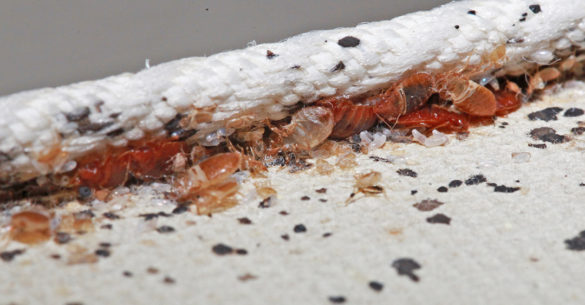
Bed bugs produce an allergenic chemical called histamine to help them aggregate in sites like this mattress welt. Researchers worry that histamine may be adding another environmental allergen to our homes, like dust mites and cockroaches.
Come visit the AggieTurf website for more information.
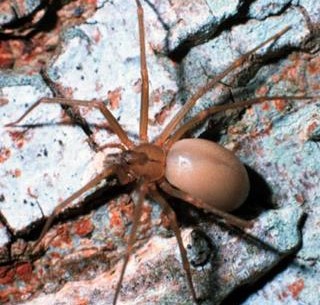
Brown recluse Spider Image by John Jackman
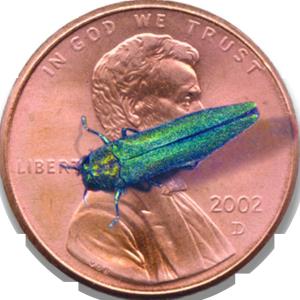
Emerald ash borer adult on a penny for scale. Image: Harold Russell, Michigan State University
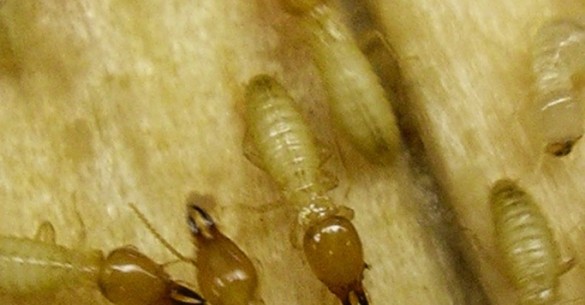
Formosan subterranean termite soldiers
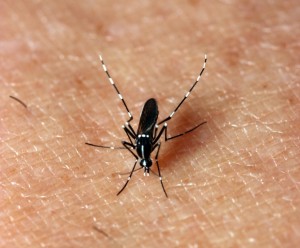
The Aedes albopictus or Asian tiger mosquito (shown here) is one of the two mosquito species known to commonly transmit chikungunya. The other is Aedes aegypti. Both species are found in Texas. (Texas A&M AgriLife Extension Service photo by Mike Merchant
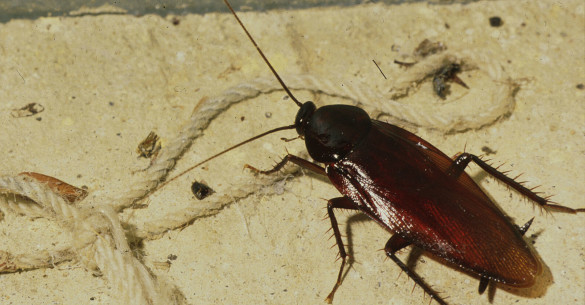
Smoky brown cockroaches live primarily outdoors. They prefer warm,humid areas that don't have a lot of air movement.
Adult head louse
Argentine ant (Linepithema humile) Feeding on fipronil gel bait
Summer storage can lead to pest problems later in the school year. Try storing items inside plastic storage containers for easy use and cleanup.
Wild (feral) honey bee (apis mellifera) colony in a tree.
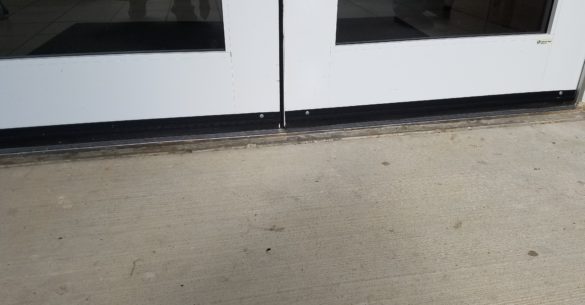
This is what the sweeps look like when they are installed on an exterior door.
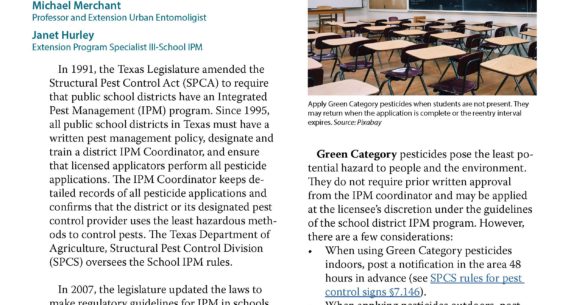
Recognizing Green Category Pesticides for Texas School IPM
Scorpions fluorescence under a black light flashlight
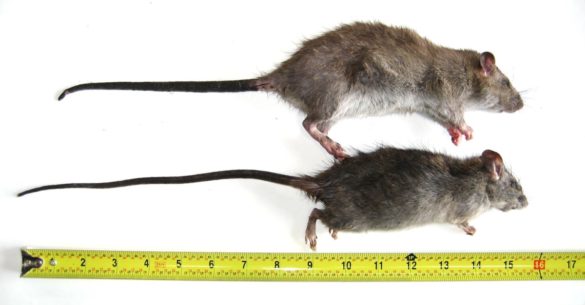
Top: Norway Rat Bottom: Roof Rat Thanks to Ed Freytag for sharing this well captured image.
smokybrown cockroach (Periplaneta fuliginosa) Male on left; female on right.
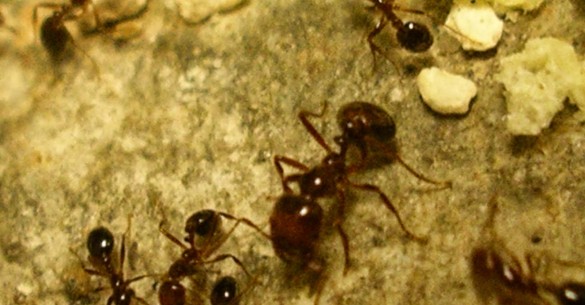
Fire ants are polymorphic and can be controlled using baits labeled for fire ants.
Live workers feeding on sugar bait
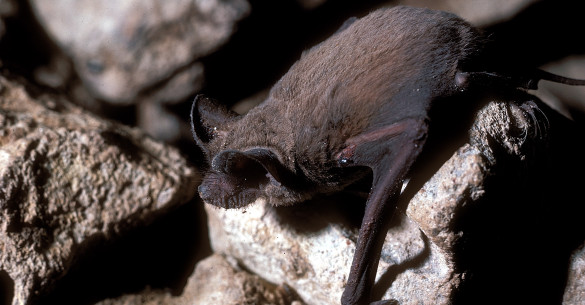
Mexican Free-tailed bat (Tadarida brasiliensis)
Kids deserve a safe place to learn and grow. Today’s children spend a significant part of their lives in school. Pest management is an important, but often overlooked, part of school safety.
Pests can cause stings and bites, and can trigger allergies. In addition, some pests pose health threats by spreading germs and filth. Unmanaged pest problems can result in damage to school property, unsightly landscapes and other unsafe conditions.
Integrated Pest Management, or IPM, is a strategy of managing pests using multiple control tactics that provide the best control with the least cost and environmental impact. IPM is based on thorough knowledge of the pests and the technologies used to control them, and can be performed by anyone with proper training. A good IPM program attempts to make schools less hospitable to pests by modifying the environment, like improving sanitation, and eliminating pest harborage sites, along with using the lowest impact pesticides as necessary. Managing risks from pests and risks from the pesticides used to control them are top priorities under an IPM program.
OUR MISSION:
“To provide the best professional integrated pest management training and advice for school districts and other environmentally sensitive institutions in Texas and the Southwest.”
This work is supported in part by the Crop Protection and Pest Management, Extension Implementation Program [award no. 2021- 70006-35347/project accession no. 1027036] from the United States Department of Agriculture (USDA) National Institute of Food and Agriculture.
Texas A&M AgriLife Extension Service is pleased to announce the 2026 School IPM Coordinator Spring Training Dates. These training locations are selected to aid the TX Charter Schools so that they can attend in-person training closer to home. You will notice there are three AgriLife sponsored one-day events, plus one hosted by region 8 ESC in March. In late April and early May, Jake Wightman and I will host our two-day school IPM workshop. Our second day will be designed to do some hands-on training not just power… Read More →
September brings the beginning of a new state fiscal year, where new rules and regulations come into effect throughout our state. TDA/SPCS recently sent out an email to all the leaders of TX Charter Schools informing them that starting this September, they do fall under the school integrated pest management (IPM) laws and regulations. As such, they will need to follow what we have been doing for the past 30 years in Independent School Districts, which includes training, recordkeeping, appointment of an IPM Coordinator, and much more as… Read More →
As August rolls into September remember to remind your teachers and staff about their role in the IPM program. You can send out emails reminding them about food in the classroom, how to submit a pest complaint or use one of our posters to educate them about their role in the IPM program. School IPM Coordinators must receive their 6-hour school IPM coordinator training within 6 months of being appointed by the Superintendent. Those that have been IPM coordinators for more than three years, must receive 6 hours… Read More →















 .
.